


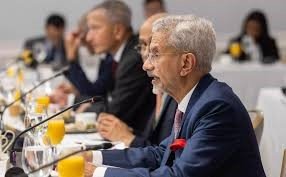
External Affairs Minister S. Jaishankar called for enhanced solidarity among Global South nations during a significant meeting held on Tuesday in New York. This gathering took place on the sidelines of the 80th session of the United Nations General Assembly. Jaishankar emphasized the urgent need for collective action and a renewed commitment to multilateralism to navigate the complex global challenges facing developing countries.
In a post shared on social media platform X, Jaishankar highlighted the pressing issues that the Global South must address. He stated, “In the face of a proliferation of global concerns and a multiplicity of risks, it is natural that the Global South turns to multilateralism for solutions.” This assertion underlines the critical role that cooperative strategies can play in empowering developing nations in international forums.
At the meeting, Jaishankar outlined five key proposals aimed at strengthening the collective voice of the Global South. He urged the attendees to utilize existing forums effectively to foster consultations among nations, encouraging greater solidarity and collaboration. This structured approach is crucial for developing countries to amplify their influence on the global stage.
Addressing the urgent need for reform, Jaishankar advocated for comprehensive changes to the United Nations and multilateral frameworks overall. He insisted on the necessity for the Global South to present its unique strengths and successes at international platforms. He cited critical areas such as “vaccines, digital capabilities, education capacities, agro-practices, and SME (Small and Medium Enterprises)” as examples of strengths that could benefit not only the South but also the global community.
The minister reemphasized the importance of an equitable response to global challenges. Regarding climate action and climate justice, he urged leaders from the Global South to propose initiatives that reflect their interests rather than merely adopting the viewpoints of the Global North. This perspective is crucial, especially as global warming and its associated implications become increasingly severe.
Moreover, Jaishankar spoke on the crucial engagement with emerging technologies, particularly artificial intelligence. He expressed concern over the risk of developing nations being marginalized in the fast-evolving global technological landscape. Ensuring that these countries are included in conversations surrounding technology is vital in shaping a more inclusive global order.
India has consistently taken the lead in advocating for the Global South’s interests. Its efforts reflect a commitment to ensuring that developing nations hold significant roles in defining global policies and agendas. As the world grapples with an array of socio-economic challenges, the call for a united approach becomes more relevant than ever.
Jaishankar’s timely remarks resonate across multiple forums, fueling discussions on how countries can synergize their efforts to address shared issues. As calls for stronger Global South solidarity grow louder, the potential for collaborative progress in international diplomacy appears more promising.
In conclusion, the high-level meeting marked an important step towards stronger unity among the Global South with a clear focus on reforming the United Nations. As these nations unite, their collective strength could herald transformative changes in global governance, allowing for a fairer representation of developing countries on the world stage.