


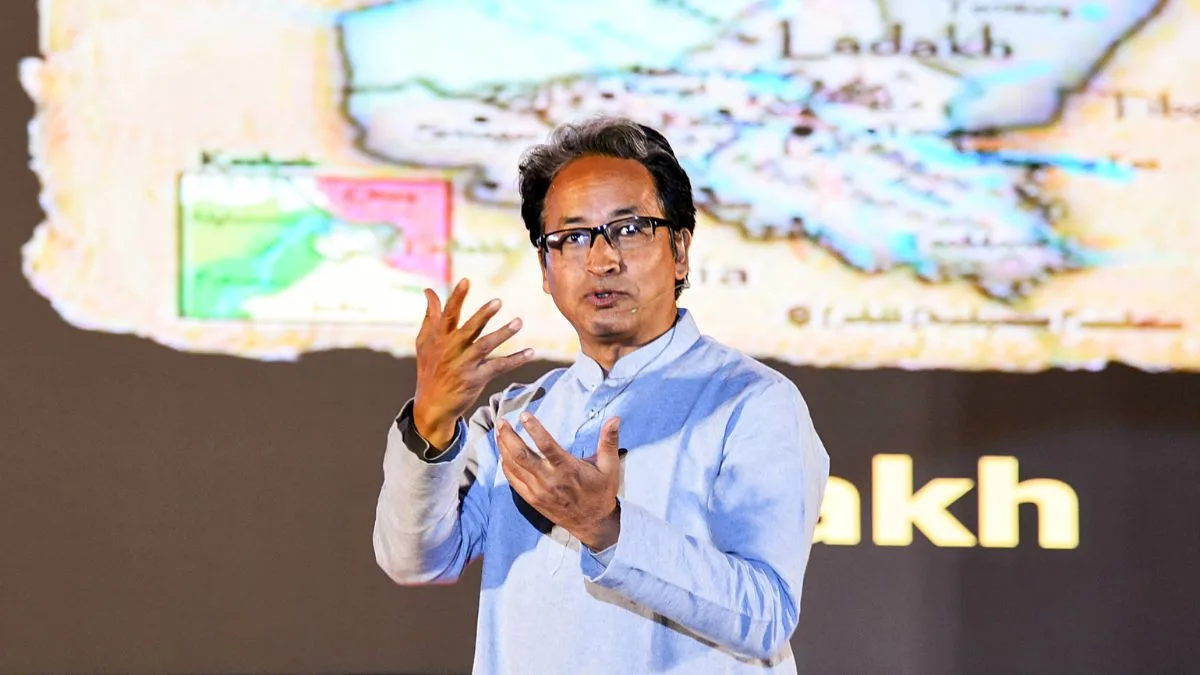
Climate activist Sonam Wangchuk has faced detention under the National Security Act (NSA) and was moved to Jodhpur Jail in Rajasthan on Friday. This unprecedented action by the Ladakh administration comes in the wake of intense protests demanding statehood for Ladakh, which escalated into violent clashes, resulting in at least four fatalities and numerous injuries.
The announcement of Wangchuk’s detention occurred during a late-night press release from the Ladakh administration, confirming his transfer due to activities deemed prejudicial to state security. Supporters of Wangchuk and the statehood movement reacted strongly on social media, labeling the day as a “black day” for Ladakh. Some citizens called for the resignation of Lt. Governor Kavinder Gupta, holding him accountable for police actions that led to the tragic deaths of innocent individuals.
On September 10, Wangchuk began a challenging 35-day fast in Leh to advocate for the Sixth Schedule’s provisions, essential for preserving Ladakh’s unique ecological landscape and ensuring local autonomy. He paused his hunger strike on September 24 amidst rising tensions and violence in Leh.
The protests erupted following his ongoing demands for statehood, which many believe have been ignored by the government. On September 24, violent demonstrations led to 90 injuries due to police firing aimed at dispersing crowds.
The official statement specified, “Time and again, it has been observed that Shri Sonam Wangchuk has been engaged in activities detrimental to public peace and essential community services.” The government suggested that Wangchuk’s actions during the protests — including incendiary speeches and videos — incited violence, resulting in the unfortunate loss of life.
According to the administration’s announcement, Wangchuk’s provocative public engagements could potentially disrupt normalcy in Leh. The release emphasized the importance of maintaining peace, stating, “To restore normalcy in the peaceful town of Leh in Ladakh, it is essential to prevent Sonam Wangchuk from acting in a manner that jeopardizes public order.”
In light of these events, the administration decided to invoke the NSA, reflecting the severity of Wangchuk’s actions and their impact on local stability. His transfer to Jodhpur was deemed necessary to mitigate further unrest.
Local leaders and activists have voiced their concerns about the implications of the NSA. Many argue that the use of such stringent measures against activists could threaten the very essence of democratic discourse in the region. As one activist stated, “Detaining voices that stand for genuine rights undermines the spirit of democracy that we must protect.”
The repercussions of Wangchuk’s detention continue to resonate through social media, with calls rallying for justice for those affected by the recent protests. As discussions unfold, questions about governance, citizen rights, and the pressing need for dialogue with local leaders remain critical as Ladakh navigates its complex socio-political landscape.
As the situation evolves, many hope for a resolution that honors both the aspirations of the people of Ladakh and the need for public safety and order. The future of Wangchuk, as well as the broader movement for statehood and ecological protection, hangs in the balance amidst these turbulent times.